
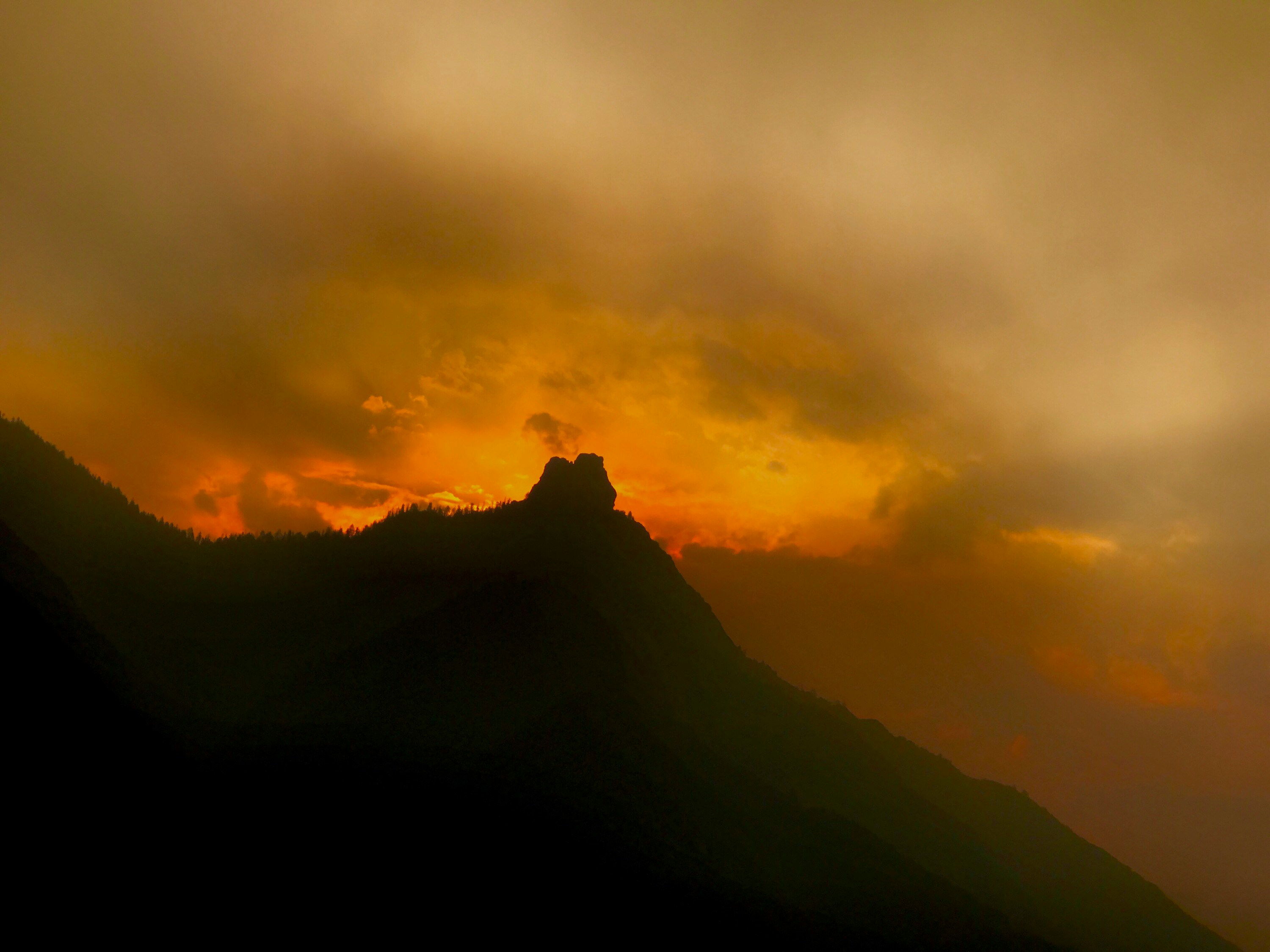
I have a new short story, “The Legend of Four Winds Butte,” published in the Bethlehem Writers Roundtable Magazine.
Based on a fictional wilderness area in Northeast Nevada, Mary Aguilera, a Folkloric Psychology major, investigates the ghost stories and legends surrounding a cursed petroglyph located atop Four Winds Butte.
“Located in the remote wilderness ranges of northeast Nevada, its story began with a 1905 prospector who wandered into a mining camp after days of hiking with a bloody cloth wrapped around his head. He ranted about a native curse that killed his partner before dying on the spot from his injuries. Another reference was a local newspaper clip about a naturist hippie couple in the sixties who stumbled onto the site and disappeared. The only evidence left behind was their backpacks in a chasm thousands of feet below the ridge. Rumors spread of a powerful curse from on top of the Butte, which attracted curious hikers over the years willing to negotiate treacherous terrain to investigate, only to vanish like the others. The last reported disappearance was over two decades ago.
For years, the local tribal council had taken umbrage at any non-natives trespassing on their sacred places. After the last reported disappearance over a decade ago, the tribe convinced the Bureau of Land Management to declare the place off-limits and fenced off the ten-thousand-acre area surrounding the Butte.
Mary had always thought buttes were steep-sided desert mountains formed by the gradual erosion of a larger plateau or mesa, like the famous ones in Arizona. A topographical map of the area revealed barren mountains separated by deep ravines resembling a kicked-up carpet. Though an experienced hiker on rugged terrain, the absence of dotted lines illustrating trails gave her a momentary pause. Smack in the middle of the mountainous terrain was a nine-thousand-foot peak called Neai, Shoshone for wind. A two-hundred-foot flat-topped rock spire jutted skyward from the summit. As for the petroglyph monument cited to be on top, the reference source contained only drawings. No photographs.”


 D.T. Krippene